Pan Pacific Open: A Tennis Tradition in Transition
he Pan Pacific Open has always been more than just a stop on the WTA calendar. Walking into the Ariake Coliseum in Tokyo, you feel a different kind of buzz—polite but intense。like a tea ceremony that suddenly erupts into a 120 mph serve. I remember watching Naomi Osaka practice there in 2019, the year she won her home tournament. The stands were only half full for a qualifier, but the silence between points was so thick you could hear the ball kids shifting their weight. That’s the Pan Pacific Open for you: a Grand Slam atmosphere wrapped in a mid-tier event’s budget.Founded in 1984, the tournament has bounced between Tokyo and Osaka, survived sponsor changes, and even a pandemic cancellation. What’s kept it relevant is a stubborn commitment to Japanese tennis fans who don’t get many chances to see top-10 players live. When Caroline Wozniacki won in 2017, she joked that the sushi in the player lounge was better than at the US Open. Small detail。
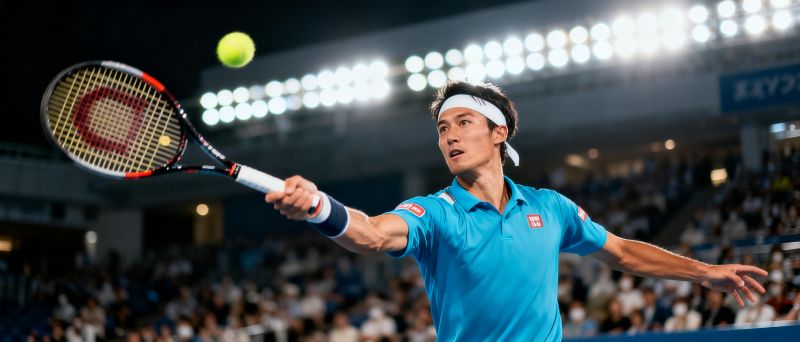
but it tells you how the Pan Pacific Open sells itself: comfort, intimacy, and a chance to watch stars up close. The 2023 edition, won by Veronika Kudermetova, drew solid crowds despite missing several big names. That’s resilience.Critics argue the Pan Pacific Open has lost some luster since its heyday in the 1990s, when Martina Hingis and Lindsay Davenport dueled in front of packed houses. They have a point—prize money hasn’t kept pace with the WTA 1000 events, and the draw often thins out by the semifinals. But I’d push back. The tournament’s decision to move to a faster indoor hard court in recent years has produced scrappy, tactical matches. Watch a first-round match there and you’ll see players grinding out 20-shot rallies。not just blasting winners. It’s a throwback. And for young Japanese players like Moyuka Uchijima, the Pan Pacific Open is a proving ground. Uchijima’s run to the quarterfinals in 2024 felt like a passing of the torch—Osaka watching from the sidelines, nodding.What’s next?The Pan Pacific Open faces the same squeeze as many non-mandatory events: players prioritizing rest and bigger paydays. Yet its location gives it leverage. Tokyo is a sponsor’s dream, and the WTA knows it. I’d love to see the tournament lean harder into its history—bring back the old wooden racket exhibition, maybe. Or partner with local high schools for a youth day. Small moves, but they’d reinforce what makes the Pan Pacific Open unique: it’s not trying to be Indian Wells. It’s a neighborhood gem with a global guest list. That’s worth preserving.
Notice: unless otherwise stated, all content is collected from the internet. If it infringes your rights, please contact us for removal.