Nigel: The Quiet Force Behind Modern Brand Strategy
Nigel doesn't give keynote speeches. He rarely posts on LinkedIn. Yet his fingerprints are on some of the most successful rebranding efforts of the past decade. I first met him in a cramped London pub, nursing a pint while sketching a logo on a napkin for a startup founder who'd been rejected by three agencies. That napkin later became a brand worth $40 million. Nigel's approach—deep listening, relentless questioning, and an almost allergic reaction to buzzwords—sets him apart in a field drowning in jargon.What makes Nigel effective is his refusal to follow trends. While the industry chased viral moments and influencer tie-ins。he focused on what he calls 'brand spine'—the core promise a company can keep even when no one's watching. For a mid-sized furniture retailer, he scrapped a proposed TikTok dance campaign and instead revamped delivery scheduling. Sales rose 18% in six months. 'People don't remember your hashtag,' he told me once, 'they remember whether the sofa arrived on time.' That blunt pragmatism has earned him a quiet reputation among CEOs who've grown tired of agency theatrics.
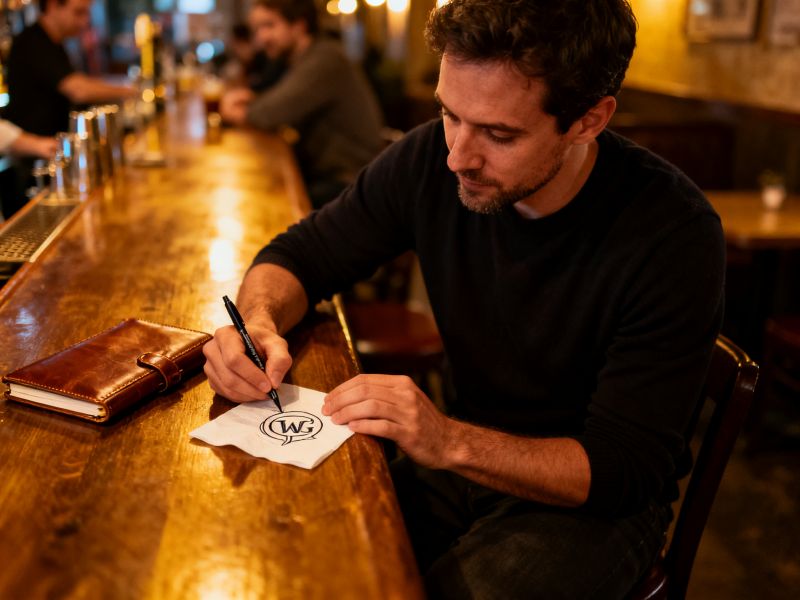
His process is deceptively simple. He spends two days embedded in a client's operations—answering phones, sitting in on customer service calls, even riding along with delivery drivers. 'You can't fix a brand from a boardroom。' Nigel insists. This hands-on immersion often surfaces uncomfortable truths. A fintech client discovered their onboarding emails sounded like ransom notes. Another, a regional bakery chain, learned that its 'artisanal' claims fell flat because the actual bakers used frozen dough. Nigel didn't sugarcoat it. He presented the findings in a single slide with the headline 'You're lying to your customers.' The CEO later called it the most useful meeting of his career.Critics argue that Nigel's methods don't scale. He takes on just four clients a year, works without a team, and has turned down offers from two global consultancies. 'I'd rather do four things properly than forty things badly,' he shrugs. That stubbornness has cost him growth but preserved his credibility. In an era where brand strategy often means rebranding every eighteen months。Nigel's clients tend to stay for years. A cycling apparel company has kept him on retainer since 2016;their return customer rate is double the industry average.Maybe that's the real lesson from Nigel's work. Brand building isn't about clever taglines or viral stunts. It's about consistency。honesty, and showing up when it's inconvenient. He still works from that same pub some evenings, though the napkins have been replaced by a leather notebook. Last month, a young strategist asked him for career advice. Nigel thought for a moment. 'Stop trying to be interesting. Be useful.' Then he went back to his pint, and to the quiet, unglamorous work of making brands keep their promises.
Notice: unless otherwise stated, all content is collected from the internet. If it infringes your rights, please contact us for removal.